
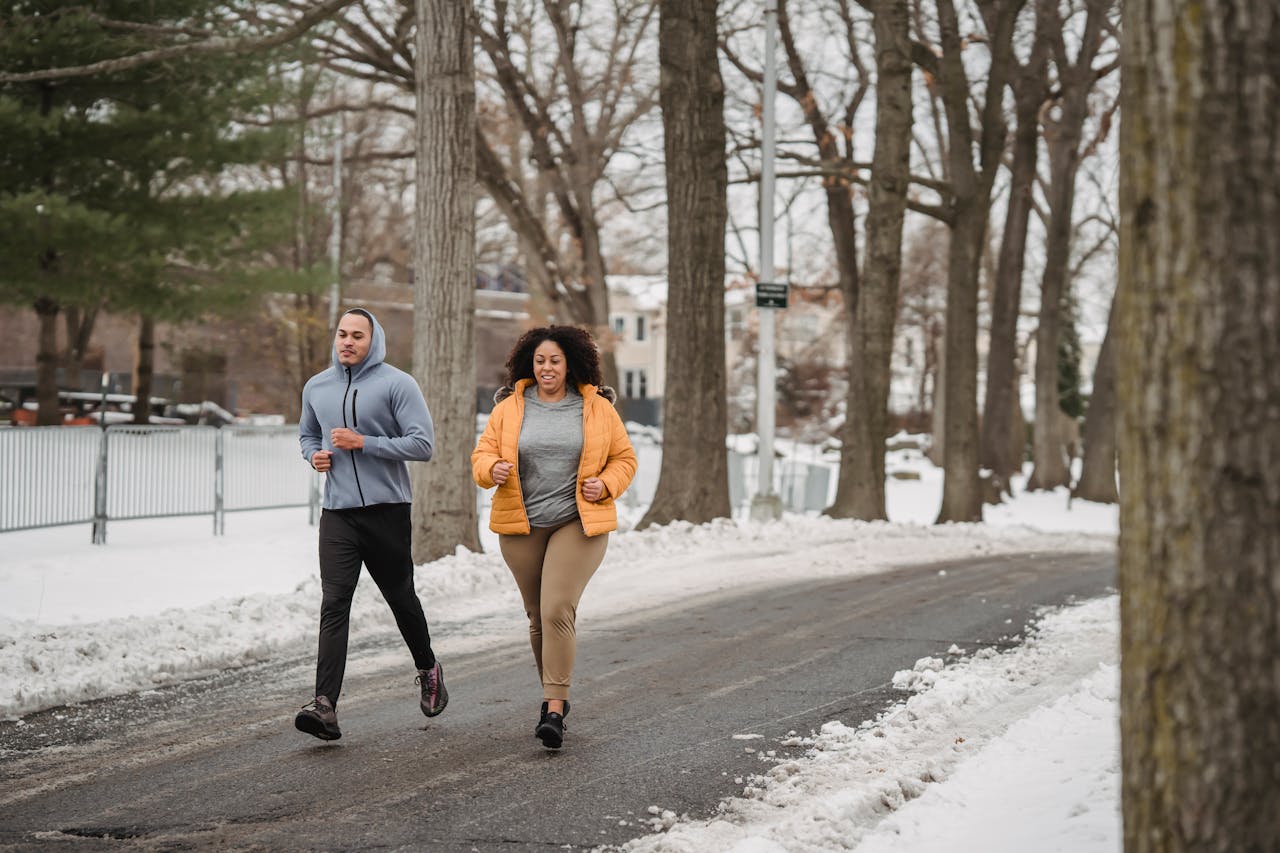
Why Winter Workouts Often Lead to Injuries
As colder temperatures settle in, many people move their workouts indoors or jump into new fitness routines as part of their New Year’s goals. While staying active is important, sudden changes in activity levels, exercise intensity, or environment can increase the risk of injury.
After weeks or months of reduced movement, muscles and joints may not be prepared for intense workouts. This makes strains, sprains, and overuse injuries more common during the winter months.
Without proper preparation and recovery, even well-intentioned fitness routines can lead to pain that interferes with daily life.
Common Winter Workout Injuries
During the winter season, physical therapists frequently see patients dealing with injuries caused by sudden activity changes or improper technique. Some of the most common winter workout injuries include:
- Muscle strains in the back, shoulders, and legs
- Knee pain from running or jumping exercises
- Tendonitis in the elbows, knees, or Achilles tendon
- Rotator cuff irritation from strength training
- Lower back pain from improper lifting form
- Shin splints and foot pain from treadmill running
These issues often start as mild discomfort but can worsen if ignored.
Normal Soreness vs. Injury: How to Tell the Difference
It’s normal to feel sore after starting a new workout routine. However, pain that lingers or worsens may signal an injury. Normal Muscle Soreness Often Includes:
- Mild stiffness
- Tenderness that improves within a few days
- Discomfort in both sides of the body
- Pain that decreases with light movement
Signs You May Have an Injury:
- Sharp or stabbing pain
- Swelling or bruising
- Pain that lasts longer than a week
- Reduced range of motion
- Weakness or instability
- Pain that interferes with sleep or daily activities
If your symptoms match the second list, it may be time to seek professional care.
When to See a Physical Therapist
Seeing a physical therapist early can prevent minor issues from becoming long-term problems. You should consider scheduling a PT evaluation if:
- Pain doesn’t improve after several days of rest
- You’re unable to exercise without discomfort
- Your movement feels limited or unstable
- You’ve changed your workout routine and developed new pain
- Previous injuries are flaring up again
Physical therapy helps identify the root cause of pain rather than just treating symptoms.
How Physical Therapy Supports Safe Winter Training
Physical therapy doesn’t just treat injuries — it helps you move better and prevent future problems. At Physical Therapy Partners, our therapists focus on:
- Personalized movement assessments
- Strength and flexibility programs
- Posture and form correction
- Balance and stability training
- Recovery and injury prevention strategies
- Education for long-term joint and muscle health
Our goal is to help you return to activity safely and confidently.At Dunn Physical Therapy Partners, we’re here to help you stay active, recover faster, and move with confidence throughout the year. Contact our team today to schedule an evaluation and take the next step toward pain-free movement.